
Cannabis has long been associated with its psychoactive compound, THC, known for its ability to produce a “high.” However, in recent years, another compound found in cannabis has gained attention for its potential health benefits—CBD (cannabidiol). Unlike THC, CBD is non-psychoactive, meaning it doesn’t produce the intoxicating effects that are typically associated with cannabis use. Instead, it offers a wide range of therapeutic properties, which have contributed to its growing popularity in both medical and wellness communities.
In this blog post, we will explore the benefits of CBD in weed and why it is considered a game changer. From its impact on mental health to its potential for pain relief, CBD is revolutionizing the way we think about cannabis.
What Is CBD and How Does It Work?
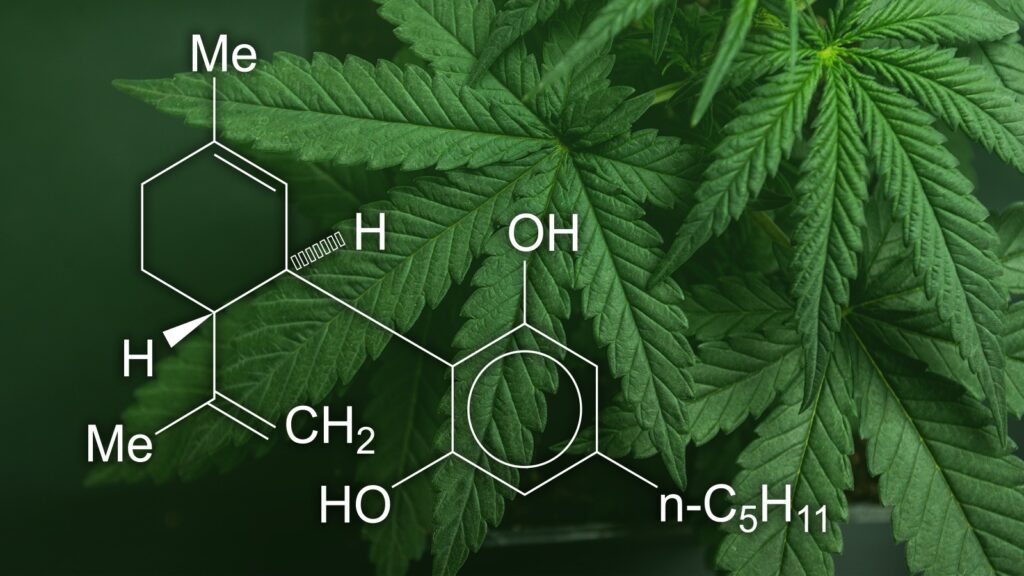
Before diving into the benefits of CBD, it’s important to understand what it is and how it works in the body. CBD is one of over 100 cannabinoids found in the cannabis plant. Unlike THC, which binds to the CB1 receptors in the brain to produce its psychoactive effects, CBD interacts differently with the endocannabinoid system (ECS) in the body.
The ECS plays a crucial role in regulating various physiological processes, including mood, pain perception, appetite, and sleep. CBD doesn’t bind directly to the ECS receptors like THC does. Instead, it influences the body’s ability to produce and utilize its own endocannabinoids. This interaction may contribute to CBD’s wide range of therapeutic effects.
The Benefits of CBD in Weed
CBD has garnered a lot of attention due to its potential health benefits. Here’s a closer look at some of the reasons why it’s considered a game changer.
Pain Management and Inflammation Reduction
One of the most well-known benefits of CBD is its ability to help manage pain and inflammation. Research has shown that CBD may reduce pain by affecting the receptors in the brain and immune system. It has become a popular choice for individuals suffering from chronic pain conditions, such as arthritis, fibromyalgia, and multiple sclerosis.
CBD may also reduce inflammation, which is often a major contributing factor to pain. Inflammation is associated with various health conditions, and by reducing it, CBD could offer relief to those suffering from inflammatory diseases. Some studies have suggested that CBD’s anti-inflammatory properties make it a useful tool for individuals with autoimmune disorders and other inflammatory conditions.
Anxiety and Stress Relief
Another key benefit of CBD is its ability to alleviate anxiety and stress. In recent years, more people are turning to CBD as a natural alternative to pharmaceutical medications for managing anxiety. Unlike traditional medications, which can have undesirable side effects and be addictive, CBD offers a more holistic approach to managing anxiety.
Studies have shown that CBD may have an anxiolytic (anxiety-reducing) effect, making it a potential treatment for anxiety disorders. It may help by interacting with serotonin receptors in the brain, which regulate mood and emotional well-being. People with social anxiety, generalized anxiety disorder, and post-traumatic stress disorder (PTSD) have reported positive results from using CBD.
Improved Sleep and Relaxation
Many people struggle with sleep issues, whether it’s falling asleep, staying asleep, or getting restful sleep. CBD has been reported to improve sleep quality, which is crucial for overall health and well-being. By helping to reduce anxiety and promote relaxation, CBD may make it easier for individuals to fall asleep and stay asleep throughout the night.
CBD’s calming effects on the nervous system could be particularly beneficial for those who suffer from insomnia or have difficulty sleeping due to stress, pain, or anxiety. Some studies have found that CBD helps increase deep sleep, which is vital for the body’s restorative processes.
Skin Health and Acne Treatment
CBD also has promising benefits for skin health, especially for conditions like acne. CBD’s anti-inflammatory and antioxidant properties may help reduce the symptoms of acne and promote healthier skin. Acne is often triggered by inflammation, excess oil production, and clogged pores, all of which CBD may help mitigate.
Furthermore, CBD has been shown to have antibacterial properties, which may help reduce the risk of infections associated with acne. Some skincare products now incorporate CBD as an active ingredient to help reduce redness, irritation, and acne breakouts, making it a popular choice in the beauty and skincare industries.
Neuroprotective Properties
CBD has also shown potential as a neuroprotective agent, which means it may help protect the brain and nervous system from damage. This has made CBD a popular option for individuals with neurodegenerative conditions, such as Alzheimer’s disease, Parkinson’s disease, and multiple sclerosis.
Research suggests that CBD’s antioxidant and anti-inflammatory properties may help protect the brain from oxidative stress and inflammation, both of which are thought to contribute to the development of neurodegenerative diseases. Early studies indicate that CBD may help slow the progression of these diseases and even promote neurogenesis (the growth of new brain cells), offering hope for those affected by these conditions.
Supporting Heart Health
Heart disease is a leading cause of death worldwide, and researchers are increasingly exploring the potential of CBD to support heart health. CBD has been shown to have vasodilatory effects, meaning it can help relax and widen blood vessels, which could potentially lower blood pressure and reduce the risk of cardiovascular events like heart attacks and strokes.
Some studies have also suggested that CBD may help regulate cholesterol levels and reduce oxidative stress, both of which contribute to heart disease. By improving blood flow and reducing the risk of inflammation in the cardiovascular system, CBD could play a key role in maintaining a healthy heart.
CBD vs. THC: A Non-Psychoactive Alternative
One of the reasons CBD is so appealing to many people is that it doesn’t produce the same intoxicating effects as THC. While THC is known for causing a “high” and impairing cognitive function, CBD is non-psychoactive, meaning it doesn’t alter your state of mind. This makes CBD a more suitable option for individuals who want the therapeutic benefits of cannabis without experiencing the euphoric or impairing effects of THC.
As a result, CBD is gaining popularity in wellness and medical circles as a natural alternative to pharmaceutical treatments. It offers relief from a variety of symptoms without the risk of addiction or significant side effects.
The Growing Popularity of CBD in Weed
With all the benefits CBD offers, it’s no surprise that its popularity continues to grow. As more people learn about its potential health advantages, CBD is becoming a staple in many households. From oils and tinctures to edibles, topicals, and capsules, there are now countless ways to incorporate CBD into your daily routine.
Moreover, as research on CBD expands, we may uncover even more uses and benefits for this powerful compound. Whether you’re looking to relieve pain, reduce anxiety, or promote better sleep, CBD provides a natural and effective solution that doesn’t come with the risks or side effects of traditional medications.
Conclusion: Why CBD is a Game Changer
CBD in weed is undoubtedly a game changer for many individuals seeking natural solutions for their health and wellness needs. With its non-psychoactive properties and wide range of benefits, CBD is transforming the way people use cannabis. From reducing pain and inflammation to improving mental health and sleep quality, CBD is proving to be an invaluable tool in managing various health conditions. As more people discover the advantages of CBD, its role in the wellness industry will continue to expand, offering a safe and effective alternative to traditional medications.
Whether you’re interested in trying CBD for the first time or are already familiar with its benefits, there’s no doubt that CBD has revolutionized the cannabis landscape, making it a powerful and accessible tool for overall well-being.