
Seasonal allergies, also known as hay fever or allergic rhinitis, affect millions of people worldwide, causing symptoms like sneezing, runny nose, itchy eyes, and congestion. These symptoms, often triggered by pollen, mold, or other environmental allergens, can significantly impact daily life. While traditional treatments like antihistamines and decongestants are common, many individuals are exploring natural alternatives. One such option gaining attention is CBD (cannabidiol), a compound derived from the hemp plant known for its potential therapeutic benefits.
Understanding Seasonal Allergies
Seasonal allergies occur when the immune system overreacts to harmless substances like pollen or mold spores, releasing histamines and other chemicals that cause inflammation and allergic symptoms. This reaction is the body’s attempt to protect itself, but it often results in discomfort for allergy sufferers. Common symptoms include sneezing, nasal congestion, itchy eyes, and fatigue. For some, these symptoms can escalate to more severe issues like sinus infections or asthma exacerbations.
How CBD Works in the Body
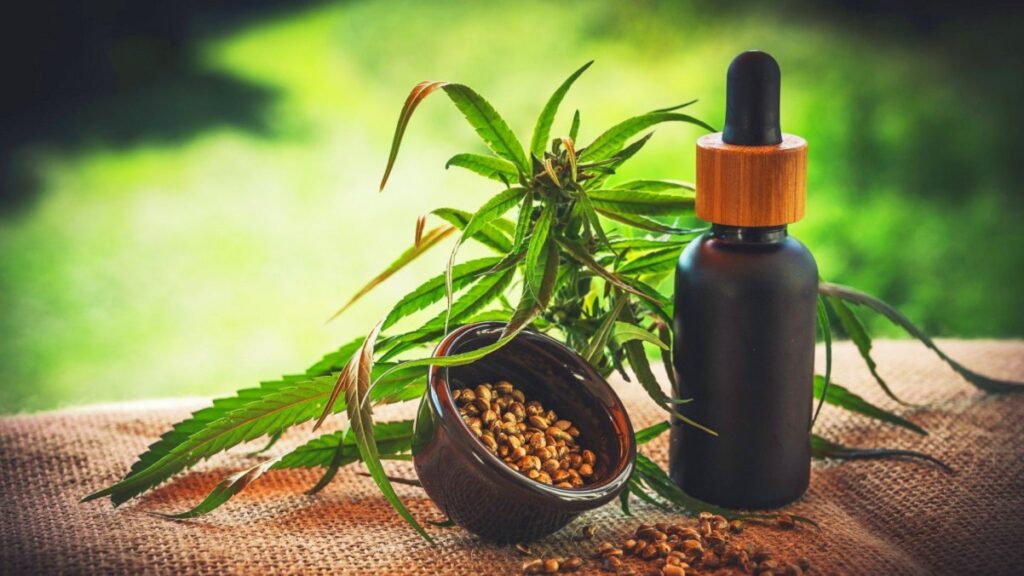
CBD interacts with the body’s endocannabinoid system (ECS), a complex network of receptors and enzymes that regulate various physiological processes, including immune response, inflammation, and pain perception. The ECS plays a crucial role in maintaining balance, or homeostasis, in the body. CBD may influence the ECS by binding to or modulating the activity of its receptors, such as CB1 and CB2.
The interaction between CBD and the ECS suggests potential benefits for managing seasonal allergies:
- Anti-Inflammatory Properties
CBD is widely recognized for its anti-inflammatory effects. In the context of allergies, it may help reduce inflammation in the nasal passages and respiratory tract, alleviating symptoms like congestion and swelling. - Immune Modulation
CBD’s ability to modulate the immune system could help regulate the overactive immune response that triggers allergic reactions. By balancing immune activity, CBD may reduce the severity of allergy symptoms. - Histamine Regulation
Preliminary studies suggest that CBD may influence the release of histamines, the chemicals responsible for allergy symptoms like itching and sneezing. By inhibiting excessive histamine release, CBD may help control allergic reactions. - Anxiety and Stress Reduction
Seasonal allergies can exacerbate anxiety and stress, especially for individuals with chronic symptoms. CBD’s calming effects on the nervous system may help alleviate stress-related triggers, providing additional relief.
CBD for Common Allergy Symptoms
- Congestion and Nasal Inflammation
CBD’s anti-inflammatory properties may help reduce swelling in the nasal passages, improving airflow and relieving congestion. Using CBD oil sublingually or as a nasal spray (if available) could provide localized relief. - Itchy Eyes and Skin
For individuals experiencing itchy, irritated eyes or skin, topical CBD products like creams or balms can soothe inflammation and provide a calming effect on the affected areas. - Cough and Respiratory Irritation
CBD’s potential to relax airway muscles and reduce inflammation in the respiratory system may help alleviate coughing and breathing difficulties associated with seasonal allergies. - Fatigue and Sleep Disruption
Allergies often lead to fatigue and disrupted sleep. CBD’s ability to promote relaxation and improve sleep quality may help allergy sufferers feel more rested and energized.
How to Use CBD for Seasonal Allergies
- Sublingual CBD Oil
CBD oil tinctures are one of the most effective ways to use CBD for allergies. Place a few drops under your tongue for quick absorption into the bloodstream. This method is ideal for systemic relief of symptoms. - CBD Edibles and Capsules
For long-lasting effects, consider CBD edibles or capsules. These products provide a steady release of CBD throughout the day, helping to manage symptoms over an extended period. - Topical CBD Products
Topical creams or balms can be applied directly to areas affected by itching or irritation, providing targeted relief without entering the bloodstream. - CBD Inhalers or Nasal Sprays
While not as widely available, CBD inhalers or nasal sprays offer direct application to the respiratory system, potentially easing nasal congestion and irritation. - CBD-infused Tea or Drinks
For a soothing approach, try CBD-infused teas or beverages that combine the calming properties of CBD with other beneficial ingredients like chamomile or peppermint.
Choosing the Right CBD Product
When selecting a CBD product for seasonal allergies, consider the following factors:
- Quality and Purity
Choose products from reputable brands that provide third-party lab testing to ensure the purity and potency of their CBD. Avoid products with additives or allergens. - Full-Spectrum vs. Isolate
Full-spectrum CBD contains additional cannabinoids and terpenes that may enhance its therapeutic effects through the entourage effect. CBD isolate is pure CBD and may be preferred for individuals sensitive to THC or other compounds. - Dosage
Start with a low dose and gradually increase until you find the optimal amount that relieves your symptoms. Consult a healthcare professional for personalized advice. - Application Method
Select a delivery method that suits your symptoms and lifestyle. For instance, sublingual oil may work best for general relief, while topical creams are ideal for localized issues.
Safety and Side Effects
CBD is generally well-tolerated, but it’s essential to be aware of potential side effects, which may include dry mouth, drowsiness, or gastrointestinal discomfort. If you’re taking medications, consult your doctor to ensure there are no interactions. Additionally, individuals with severe allergies should use CBD cautiously and under medical supervision.
Supporting Research on CBD and Allergies
While research on CBD for seasonal allergies is still emerging, existing studies provide promising insights. For example, studies on CBD’s anti-inflammatory effects demonstrate its potential to reduce symptoms associated with allergic inflammation. Research on the ECS also highlights its role in regulating immune responses, suggesting that CBD could be a valuable tool for managing allergies. However, more clinical trials are needed to confirm these benefits.
Complementary Approaches to Managing Seasonal Allergies
In addition to using CBD, consider these complementary strategies for managing allergies:
- Allergen Avoidance
Minimize exposure to allergens by keeping windows closed during high pollen seasons, using air purifiers, and washing bedding frequently. - Hydration
Drink plenty of water to keep mucous membranes hydrated and reduce congestion. - Nasal Irrigation
Use a saline nasal spray or neti pot to flush out allergens and relieve nasal irritation. - Healthy Diet
A diet rich in anti-inflammatory foods like fruits, vegetables, and omega-3 fatty acids can support your immune system and reduce allergy symptoms. - Exercise and Relaxation Techniques
Regular exercise and practices like yoga or meditation can help reduce stress, which may worsen allergy symptoms.
Read Also : Cannabis and Creativity: Can It Really Boost Your Artistic Side?
Conclusion
CBD offers a natural, multifaceted approach to managing seasonal allergies by addressing inflammation, immune response, and stress-related triggers. Whether used alone or alongside traditional treatments, CBD can provide relief from common symptoms like congestion, itching, and fatigue. As with any supplement, it’s essential to choose high-quality products, start with a low dose, and consult a healthcare professional if needed. By integrating CBD into your allergy management routine, you may find a more holistic and effective way to enjoy the changing seasons without the discomfort of allergies.