
Cannabis legalization in Canada has significantly impacted the nation in numerous ways. From its economic contribution to public health, the cannabis industry has opened doors for innovation and growth. One area where its influence has been particularly notable is in rural economies. Small towns and remote communities, once heavily dependent on traditional industries like agriculture and forestry, have found new opportunities in cannabis cultivation, processing, and distribution.
In this blog post, we will explore how the cannabis industry is shaping rural economies in Canada, examining its economic impact, job creation, sustainability efforts, and the challenges faced by these communities.
Economic Boost to Rural Areas
The legalization of cannabis for both medical and recreational use in Canada in 2018 marked the beginning of a new era for rural communities. With its introduction, the cannabis industry quickly emerged as a new economic driver in regions that were once struggling with limited opportunities for growth.
Economic Diversification
Historically, rural areas in Canada have been dependent on industries like agriculture, mining, and forestry. These sectors, although vital, have faced various challenges, including fluctuating commodity prices and environmental concerns. The cannabis industry, however, offers a new avenue for diversification, providing rural communities with an opportunity to thrive in a changing economic landscape.
Cannabis farming is not only another form of agriculture, but it has also brought about the development of related industries such as processing, packaging, distribution, and retail. This shift has allowed farmers to tap into a high-demand market with more lucrative returns, encouraging a broader, diversified economy. In many rural areas, this industry has become an essential part of their financial structure, contributing to the local GDP and reducing the region’s reliance on traditional industries.
Boosting Local Business and Infrastructure
The expansion of cannabis cultivation has stimulated local economies by creating new businesses. Whether it’s local construction companies building cannabis greenhouses, security services protecting the crops, or technology firms providing systems for inventory management, the cannabis sector has created a variety of entrepreneurial opportunities.
This influx of business also has a ripple effect. Local suppliers, from equipment manufacturers to service providers, have benefited from the cannabis boom. Small towns are seeing a growth in local services, such as restaurants, retail outlets, and recreational facilities, as new workers move to rural areas to participate in the cannabis industry.
Moreover, the increased demand for cannabis has spurred infrastructure development. Rural areas, which previously struggled with outdated infrastructure, have received investment in roads, internet access, and utilities to support cannabis-related businesses. These improvements have made rural Canada more attractive not only to cannabis operators but to other industries as well.
Job Creation in Rural Canada
One of the most direct benefits of cannabis in rural economies is the creation of jobs. From cannabis cultivation to processing and retail, the cannabis industry has generated thousands of employment opportunities across Canada. For rural communities with a shrinking workforce due to urban migration, this influx of job creation has proven invaluable.
High-Quality Employment Opportunities
Cannabis cultivation and production require a skilled workforce. Growers need to understand the intricacies of plant biology, pest management, and production cycles to ensure a high-quality product. The need for skilled workers has prompted an increase in training programs and educational initiatives, particularly in rural communities. These programs not only teach individuals about cannabis cultivation but also provide transferable skills applicable to other agricultural industries.
The processing plants that extract CBD and THC from cannabis also require a specialized workforce. Technicians and scientists are in high demand to manage and operate extraction technologies. Additionally, there are increasing opportunities in product development, marketing, and regulatory compliance, all of which require skilled professionals.
Jobs Beyond Farming
While cannabis farming is the cornerstone of this industry, the supply chain around it creates jobs in various other sectors. These include packaging, logistics, distribution, retail, and more. As cannabis products move from cultivation to consumer shelves, jobs in logistics and transport are increasingly critical, especially in rural areas with limited public transit infrastructure.
In addition to direct employment, cannabis-related businesses in rural areas often support local economies by purchasing services from nearby businesses, such as accounting firms, construction companies, and IT specialists. This leads to an overall uplift in economic activity, with more people contributing to and benefiting from the growing industry.
Sustainable Cannabis Farming Practices
Rural areas have long struggled with the challenges of maintaining sustainable agriculture. Cannabis cultivation offers new opportunities to adopt eco-friendly farming practices, making the industry more attractive to environmentally conscious consumers and entrepreneurs.
Organic and Eco-Friendly Cultivation
As cannabis becomes an established crop, farmers are increasingly looking at ways to cultivate it sustainably. Organic farming methods, which use fewer synthetic fertilizers and pesticides, have become a growing trend in the cannabis industry. Rural cannabis farms are taking advantage of the region’s natural landscapes, cultivating their crops with minimal environmental impact. This is particularly important in communities where natural resources such as water and soil are vital to agricultural success.
Moreover, many cannabis farms in rural Canada are adopting water-saving techniques, such as drip irrigation, and investing in renewable energy sources, like solar and wind power, to reduce their carbon footprint. These sustainable practices not only contribute to the protection of the environment but also align with the values of consumers who are increasingly seeking green and eco-friendly products.
Greenhouse and Indoor Growing Methods
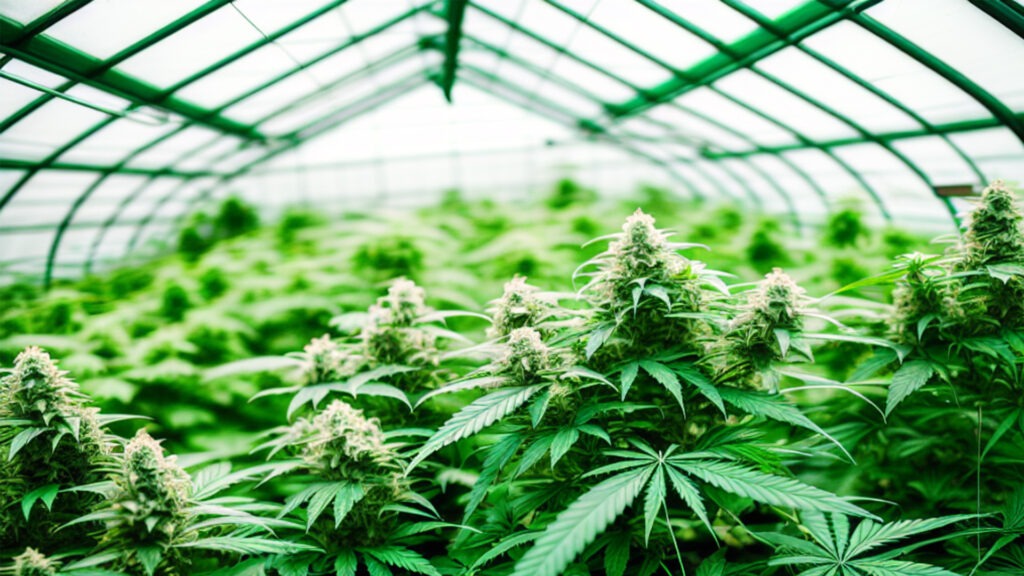
Another innovative development in rural cannabis cultivation is the use of greenhouses and indoor facilities. These methods allow cannabis producers to grow their crops year-round, even in colder climates. Greenhouses reduce the need for pesticides, and many indoor facilities incorporate energy-efficient lighting and climate control systems to minimize their impact on the environment.
These innovations are helping Canadian cannabis producers compete globally while fostering sustainable farming practices that benefit both the environment and rural communities.
Challenges and Concerns for Rural Communities
While the cannabis industry has brought numerous benefits to rural economies, it’s not without its challenges.
Regulatory Hurdles
One of the major concerns for rural communities entering the cannabis industry is navigating complex federal and provincial regulations. Cannabis cultivation and sales are highly regulated in Canada, and rural entrepreneurs must ensure they meet all compliance requirements. Obtaining licenses, adhering to strict security protocols, and complying with health and safety standards can be a costly and time-consuming process.
For smaller rural communities, the financial and logistical challenges of getting into the cannabis industry can be a barrier. However, many of these challenges are being addressed through local government initiatives aimed at supporting new cannabis businesses.
Social Impact and Stigma
Despite the legalization of cannabis, stigma and resistance still exist in some rural communities. In some regions, there may be a lack of public awareness about the benefits of cannabis and its positive economic impact. Overcoming these barriers requires education, community outreach, and responsible cannabis consumption practices. Addressing these concerns is crucial to ensuring the long-term sustainability of the cannabis industry in rural Canada.
Conclusion
The cannabis industry is undeniably transforming the economic landscape of rural Canada. From economic diversification and job creation to the adoption of sustainable farming practices, cannabis is providing rural communities with new opportunities for growth. While challenges exist, such as regulatory hurdles and social stigma, the benefits of cannabis in rural economies are clear. By continuing to embrace innovation and sustainability, rural Canada can thrive in this new economic age, with cannabis playing a pivotal role in its future success.
As the cannabis industry continues to grow, rural communities will undoubtedly find new ways to benefit from this expanding market, ensuring that cannabis remains a cornerstone of their economic vitality for years to come.