
Cannabis, like many organic materials, can degrade over time if not stored properly. To maintain its potency, flavor, and texture, proper storage techniques are essential. Whether you’re a casual user or a serious cannabis connoisseur, understanding how to store your weed correctly can significantly enhance your experience. In this guide, we’ll explore the best practices for storing weed to ensure it remains fresh and effective for as long as possible.
Why Proper Storage Matters
Proper storage of cannabis is crucial for several reasons. Weed that’s stored inappropriately can lose its potency, develop mold, or become too dry, which affects the flavor and smoking experience. The cannabinoids (like THC and CBD) and terpenes responsible for its effects and aroma are sensitive to environmental factors like light, heat, air, and humidity. To preserve the quality of your cannabis, these factors must be carefully controlled.
Factors That Affect Cannabis Freshness
Understanding the key factors that impact the freshness and potency of your cannabis will help you take the necessary precautions to extend its shelf life.
Light Exposure
Light, particularly UV light, can degrade cannabinoids, causing your weed to lose potency over time. UV rays break down THC, leading to a loss in psychoactive effects. Storing your weed in a dark, cool place is one of the easiest ways to protect its quality.
Air Exposure
Oxygen can dry out cannabis, making it brittle and harsh to smoke. Additionally, exposure to too much air accelerates the breakdown of cannabinoids and terpenes, leading to a loss of potency and flavor. It’s essential to store your weed in airtight containers to limit air exposure.
Humidity Levels
Maintaining the right humidity level is critical to preserving the texture and quality of cannabis. Too little humidity can dry out your weed, while too much can promote mold growth. The ideal relative humidity for cannabis storage is between 55% and 62%.
Temperature
High temperatures can cause cannabis to dry out, which degrades terpenes and cannabinoids. Extremely cold temperatures, on the other hand, can make trichomes brittle and prone to breaking off. The optimal storage temperature for cannabis is around 60-70°F (15-21°C).
Best Practices for Long-Term Weed Storage
Now that we understand the environmental factors that impact cannabis, let’s dive into the best practices for long-term storage. By following these techniques, you’ll ensure that your weed stays fresh, flavorful, and potent for months or even longer.
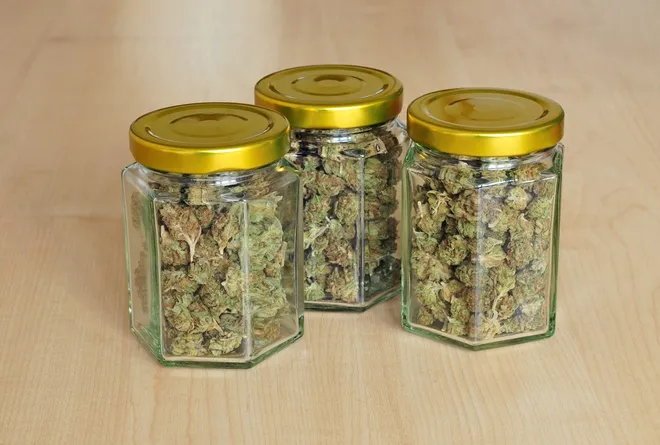
Use Airtight Glass Jars
One of the most effective ways to store your cannabis is by using airtight glass jars. Mason jars or specialized cannabis storage containers made of glass are ideal for long-term storage. Glass is non-reactive and won’t affect the flavor of your weed, unlike plastic, which can leach chemicals over time. Airtight jars will also limit exposure to air, helping to retain moisture and prevent oxidation.
Tip: Choose amber or opaque glass jars to further protect your cannabis from light exposure.
Store in a Cool, Dark Place
To prevent the degradation of cannabinoids and terpenes, always store your cannabis in a cool, dark place. A cupboard, drawer, or closet works well for this purpose. Avoid placing your weed near heat sources such as radiators, ovens, or direct sunlight, as excessive heat can dry out your cannabis and reduce its potency.
Avoid: Storing your cannabis in areas like the bathroom or kitchen, where temperature and humidity levels can fluctuate significantly.
Maintain Optimal Humidity Levels
Maintaining the right humidity level is crucial to keeping your weed fresh. Humidity packs, like Boveda or Integra Boost, are excellent tools for this. These packs regulate the relative humidity inside your storage container, keeping it within the ideal range (55-62%) for cannabis. Simply place a humidity pack inside your airtight jar, and it will absorb or release moisture as needed.
Warning: Don’t use regular household moisture-absorbing products, as they can dry out your cannabis too much.
Avoid Plastic Containers and Bags
While plastic bags and containers are commonly used for short-term storage, they are not suitable for long-term cannabis storage. Plastic can create static, which may cause trichomes (the resinous crystals on cannabis) to stick to the sides of the container, leading to a loss in potency. Additionally, plastic is porous and allows air to seep in, which can dry out your weed over time.
Solution: Stick to airtight glass jars or specially designed cannabis storage containers.
Long-Term Storage Options
For those looking to store their cannabis for extended periods, there are a few more advanced storage options to consider. These methods are especially useful for individuals who purchase large quantities or grow their own cannabis.
Vacuum-Sealed Bags
Vacuum-sealed bags are an excellent option for long-term cannabis storage because they remove excess air from the bag, preventing oxidation. While vacuum-sealed bags are commonly made from plastic, they can be used if the cannabis is properly sealed and then placed in a cool, dark place. After sealing, consider placing the bag inside an opaque container to protect it from light exposure.
Tip: When using vacuum-sealed bags, be gentle with your cannabis to avoid crushing the buds.
Cannabis Humidors
A cannabis humidor is a specialized storage device designed to maintain the perfect humidity level for cannabis. Unlike traditional humidors used for cigars, cannabis humidors are built to prevent over-humidification, which can cause mold. These devices are usually made from non-reactive materials like glass or metal and often come equipped with built-in humidity regulation systems.
Recommendation: If you’re serious about long-term cannabis storage, investing in a high-quality cannabis humidor can be a worthwhile option.
Freezing Cannabis (With Caution)
While freezing cannabis is not ideal for short-term storage, it can be a viable option for long-term preservation. Freezing cannabis can slow down the degradation of cannabinoids and terpenes, but it comes with some risks. When cannabis is frozen, the trichomes become brittle and can easily break off when the buds are handled. If you choose to freeze your cannabis, be sure to use vacuum-sealed bags and handle the buds very carefully.
Warning: Avoid frequent thawing and freezing, as this can cause moisture buildup, leading to mold growth.
Common Mistakes to Avoid
Even with the best intentions, some storage mistakes can ruin the quality of your cannabis. Here are a few pitfalls to avoid:
Storing Weed in the Refrigerator
Refrigerators are too cold for cannabis storage and are prone to fluctuations in temperature and humidity, which can promote mold growth. The constant opening and closing of the fridge door expose the cannabis to varying conditions, which is detrimental to its freshness.
Leaving Cannabis Out in the Open
Leaving your cannabis out in the open air, even for a short period, can dry it out and degrade its potency. Always store it in an airtight container immediately after use to prevent unnecessary exposure to air and light.
Over-Humidifying
Using too much humidity in your storage containers can lead to moldy weed. If your buds feel damp or spongy, this is a sign that the humidity levels are too high. Always monitor your humidity levels carefully and use humidity packs to maintain balance.
Conclusion
Properly storing your cannabis is essential for maintaining its freshness, flavor, and potency over time. By controlling factors such as light, air, humidity, and temperature, you can significantly extend the shelf life of your weed. Whether you choose to store your cannabis in glass jars, vacuum-sealed bags, or specialized cannabis humidors, these best practices will help ensure your cannabis remains in optimal condition for long-term use.
By following these storage techniques, you’ll enjoy fresh, potent cannabis every time you reach for your stash, ensuring a better experience overall.