
Cannabis and its derivatives have become a hot topic in recent years due to their increasing availability and medicinal potential. However, there is often confusion surrounding the legal status of the two most well-known compounds derived from cannabis: THC (tetrahydrocannabinol) and CBD (cannabidiol). While both compounds come from the same plant family, their legal status varies greatly due to differences in their effects, uses, and regulation.
This blog post will explore the legal differences between THC and CBD, how they are regulated, and what you need to know before purchasing or using products that contain these compounds.
What Are THC and CBD?
Before diving into their legal distinctions, it’s essential to understand what THC and CBD are and how they function within the cannabis plant.
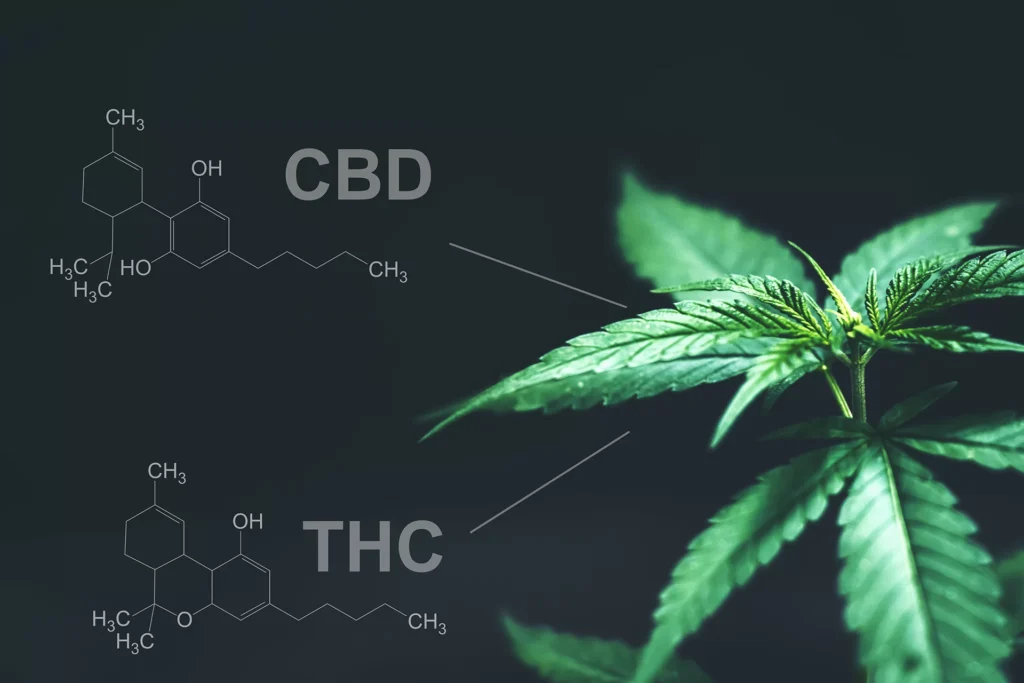
THC: The Psychoactive Component
THC, or tetrahydrocannabinol, is the compound in cannabis that is responsible for the plant’s psychoactive effects. In simpler terms, it is what causes the “high” associated with marijuana. THC binds with CB1 receptors in the brain and central nervous system, leading to altered perceptions, euphoria, and other cognitive changes.
CBD: The Non-Psychoactive Compound
CBD, or cannabidiol, is another key compound found in the cannabis plant. Unlike THC, CBD is non-psychoactive, meaning it does not produce a “high” when consumed. CBD interacts with different receptors in the body and has been found to have various medicinal benefits, including anti-inflammatory, pain-relieving, and anxiety-reducing properties.
While both compounds have therapeutic benefits, the presence of psychoactivity in THC is a critical factor in how these substances are regulated.
Legal Status of THC vs. CBD
The legality of THC and CBD varies significantly across different regions, often influenced by their psychoactive effects, medicinal use, and potential for abuse. Let’s look at the legal landscape for both compounds.
The Legal Status of THC
THC is more heavily regulated than CBD due to its psychoactive properties. In many parts of the world, THC is classified as a controlled substance. Here’s an overview of its legal status in key regions:
United States
In the U.S., the legal status of THC depends largely on whether it is derived from marijuana or hemp.
- Marijuana-Derived THC: Under federal law, marijuana and its derivatives are classified as Schedule I substances, making them illegal under the Controlled Substances Act. This classification indicates that marijuana is considered to have a high potential for abuse and no accepted medical use, though this is being challenged at both state and federal levels.
- Hemp-Derived THC: The 2018 Farm Bill legalized hemp and hemp-derived products, including hemp-derived CBD and THC, as long as the product contains less than 0.3% THC by dry weight. Anything above this threshold is considered marijuana and is illegal under federal law.
However, many U.S. states have legalized marijuana for medical and/or recreational use, creating a complex legal landscape where federal and state laws sometimes conflict.
Canada
In Canada, THC is fully legalized for both medicinal and recreational use under the Cannabis Act of 2018. Adults can legally purchase, possess, and use THC-containing products, though the government regulates their sale and distribution.
European Union
The legality of THC in the European Union varies by country. Some nations, like the Netherlands, allow for the sale and use of marijuana in controlled settings, while others have strict prohibition policies. THC levels in hemp-derived products must be below 0.2% in the EU to be considered legal.
The Legal Status of CBD
CBD enjoys a broader legal acceptance due to its non-psychoactive nature and perceived medicinal benefits. However, it is still subject to regulation, particularly in how it is sourced and marketed.
United States
In the U.S., CBD derived from hemp (containing less than 0.3% THC) was made legal by the 2018 Farm Bill. Hemp-derived CBD can be sold and consumed across most states, but it is still subject to some regulations by the Food and Drug Administration (FDA), particularly in terms of labeling and marketing as a dietary supplement or food additive.
On the other hand, CBD derived from marijuana is illegal under federal law but may be legal in states where marijuana is permitted for medicinal or recreational use.
Canada
In Canada, CBD is regulated under the Cannabis Act, just like THC. However, CBD products are more widely accepted for medical use, and consumers can purchase them from licensed cannabis retailers.
European Union
In the EU, CBD is legal if it is derived from hemp and contains less than 0.2% THC. However, regulations on CBD products vary significantly between countries, with some nations placing restrictions on the sale of CBD in food or cosmetics.
Medical Use: THC vs. CBD
The medical applications of THC and CBD also play a role in their legal status. While both compounds have demonstrated therapeutic potential, their use is often subject to different regulations depending on the region and the specific conditions they aim to treat.
Medical Use of THC
THC is commonly prescribed in regions where medical marijuana is legal. It is used to treat conditions such as:
- Chronic pain
- Nausea and vomiting caused by chemotherapy
- Muscle spasms in conditions like multiple sclerosis
- Appetite stimulation in patients with AIDS or cancer
In areas where THC is legal for medical purposes, patients typically need a prescription or medical marijuana card to obtain THC-based products.
Medical Use of CBD
CBD has gained significant traction for its medical uses due to its non-psychoactive nature. It is commonly used for:
- Anxiety and depression
- Epilepsy (CBD-based medication Epidiolex is FDA-approved for treating seizures)
- Pain and inflammation
- Sleep disorders
In many countries, CBD products do not require a prescription, though the legality and regulations regarding CBD-infused foods or supplements vary.
Product Regulations for THC vs. CBD
Both THC and CBD products are subject to regulations regarding their production, labeling, and marketing. These regulations differ based on the region and intended use of the product.
THC Product Regulations
THC products, including edibles, oils, and smokables, are tightly regulated. In regions where marijuana is legal, the government typically oversees the entire supply chain, ensuring products meet specific standards. THC content must be accurately labeled, and packaging may require warnings about potential psychoactive effects.
CBD Product Regulations
CBD products face similar, though generally less strict, regulations. In the U.S., the FDA plays a role in regulating CBD, particularly when marketed as a dietary supplement or added to foods and beverages. Labeling accuracy is critical, and companies must not make unverified health claims about CBD’s benefits.
Traveling with THC and CBD
If you’re planning to travel with THC or CBD products, it’s crucial to understand the laws of your destination.
- Traveling with THC: In most cases, traveling across state or international borders with THC is illegal, even if you’re traveling between areas where it is legal. Always check local laws before traveling with marijuana-based products.
- Traveling with CBD: Traveling with hemp-derived CBD is typically allowed within the U.S. as long as the product contains less than 0.3% THC. However, some international destinations have stricter CBD laws, so it’s important to research the regulations before departure.
Conclusion
The legal differences between THC and CBD stem from their distinct effects and uses. While CBD is widely accepted for its non-psychoactive properties and medicinal potential, THC faces stricter regulations due to its intoxicating effects. As laws continue to evolve, it’s crucial to stay informed about the legal status of these compounds in your region, especially if you use them for medical or recreational purposes.
Understanding the legal distinctions can help you make informed decisions about purchasing, using, and traveling with THC and CBD products. Always check local laws and consult with a healthcare provider if you have any concerns about using these substances.