
Introduction
Inflammation is a natural and essential response of the body. It helps fight infections, repair injuries, and protect overall health. However, when inflammation becomes chronic, it can lead to discomfort, slower recovery, and long-term health issues. From sore muscles after exercise to ongoing joint pain, many people are now looking for ways to manage inflammation more effectively.
In recent years, CBD (cannabidiol) has gained attention as a potential natural option for supporting recovery. While research is still evolving, early findings and user experiences suggest that CBD may play a role in helping the body manage inflammation and heal more efficiently.
Understanding Inflammation
Inflammation can be divided into two main types:
1. Acute Inflammation
This is short-term and occurs in response to injury or infection. Symptoms may include redness, swelling, heat, and pain. It’s a normal and necessary part of healing.
2. Chronic Inflammation
This is long-term and can persist even when there is no immediate threat. Chronic inflammation is linked to conditions such as arthritis, muscle pain, and certain metabolic disorders.
Managing inflammation effectively is key to maintaining overall health and supporting recovery after physical stress or injury.
What Is CBD and How Does It Work?
CBD is a naturally occurring compound found in hemp plants. Unlike THC, it does not produce a psychoactive “high.” Instead, CBD interacts with the body’s endocannabinoid system (ECS), which helps regulate functions like pain, immune response, mood, and inflammation.
The ECS plays a role in maintaining balance within the body. By influencing this system, CBD may help regulate inflammatory responses and support recovery processes.
How CBD May Help with Inflammation
1. Interaction with the Endocannabinoid System
CBD interacts with receptors in the ECS, particularly those involved in immune and inflammatory responses. This interaction may help reduce excessive inflammation.
2. Potential Anti-Inflammatory Properties
Studies suggest that CBD may influence the production of cytokines, which are proteins involved in inflammation. By modulating these signals, CBD may help calm inflammatory activity.
3. Pain Relief Support
Inflammation often leads to pain and discomfort. CBD may help reduce pain perception by interacting with receptors linked to the nervous system.
4. Muscle Recovery
After intense physical activity, muscles can become inflamed and sore. CBD may support faster recovery by easing inflammation and promoting relaxation.
CBD for Different Types of Inflammation
1. Exercise-Induced Inflammation
Athletes and fitness enthusiasts often experience muscle soreness and inflammation after workouts. CBD may help reduce recovery time and improve comfort.
2. Joint and Arthritis-Related Inflammation
Chronic joint pain is often linked to inflammation. CBD may provide relief by supporting joint function and reducing stiffness.
3. General Body Inflammation
Daily stress, diet, and lifestyle factors can contribute to low-level inflammation. CBD may help maintain balance and support overall wellness.
Ways to Use CBD for Recovery
CBD is available in various forms, allowing users to choose what works best for their needs.
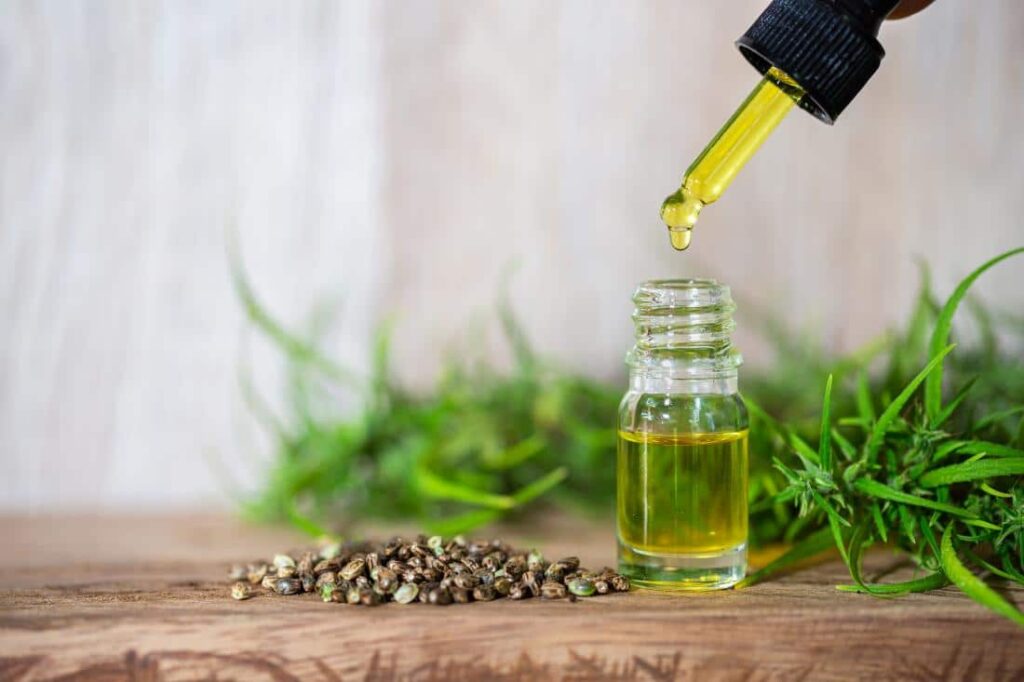
1. CBD Oil
Taken sublingually, CBD oil is one of the most popular methods due to its relatively fast absorption.
2. Topicals
CBD creams and balms can be applied directly to affected areas for localized relief.
3. Edibles
Gummies and capsules offer a convenient and consistent dosage, though they may take longer to take effect.
4. Consistency Matters
Regular use may provide more noticeable benefits compared to occasional use.
Choosing High-Quality CBD Products
The effectiveness of CBD largely depends on the quality of the product.
1. Third-Party Testing
Look for products that have been tested by independent labs to ensure purity and potency.
2. THC Content
Ensure the product contains less than 0.3% THC to remain non-intoxicating.
3. Type of CBD
Full-spectrum, broad-spectrum, and isolate CBD products each have different compositions and effects.
4. Clean Ingredients
Choose products with minimal additives and natural ingredients.
Safety and Considerations
CBD is generally well-tolerated, but it’s important to use it responsibly.
- Start with a low dose and increase gradually
- Monitor how your body responds
- Consult a healthcare professional if you are taking medications
Some mild side effects may include drowsiness, dry mouth, or changes in appetite.
Supporting Recovery Beyond CBD
While CBD may help manage inflammation, it works best as part of a holistic approach.
- Maintain a balanced diet rich in anti-inflammatory foods
- Stay physically active
- Get adequate sleep
- Manage stress through mindfulness or relaxation techniques
These lifestyle habits can enhance the potential benefits of CBD and support long-term recovery.
What Does Research Say?
Research on CBD and inflammation is still developing, but early studies are promising. Scientists are exploring how CBD interacts with immune responses and its potential role in managing inflammatory conditions.
However, more large-scale human studies are needed to fully understand its effectiveness and long-term impact.
Also Read: Different Ways to Use CBD: Oils, Gummies, Capsules, and More
Final Thoughts
Inflammation is a natural part of the body’s healing process, but when it becomes excessive or chronic, it can hinder recovery and affect overall well-being. CBD offers a potential natural option for supporting the body’s response to inflammation, helping reduce discomfort and promote balance.
While it is not a cure-all, CBD may serve as a valuable addition to a well-rounded recovery routine when used thoughtfully and consistently.