
Introduction
Athletic performance isn’t just about how hard you train—it’s about how well you recover. From professional competitors to everyday fitness enthusiasts, athletes are constantly looking for ways to reduce soreness, speed up recovery, and support long-term physical resilience. In recent years, CBD has emerged as a popular wellness tool in the sports world, praised for its potential role in muscle relief, recovery support, and overall performance balance.
While CBD isn’t a performance-enhancing substance in the traditional sense, many athletes are exploring it as part of a smarter recovery strategy—one that supports the body’s natural systems rather than masking symptoms.
Understanding CBD and the Athletic Body
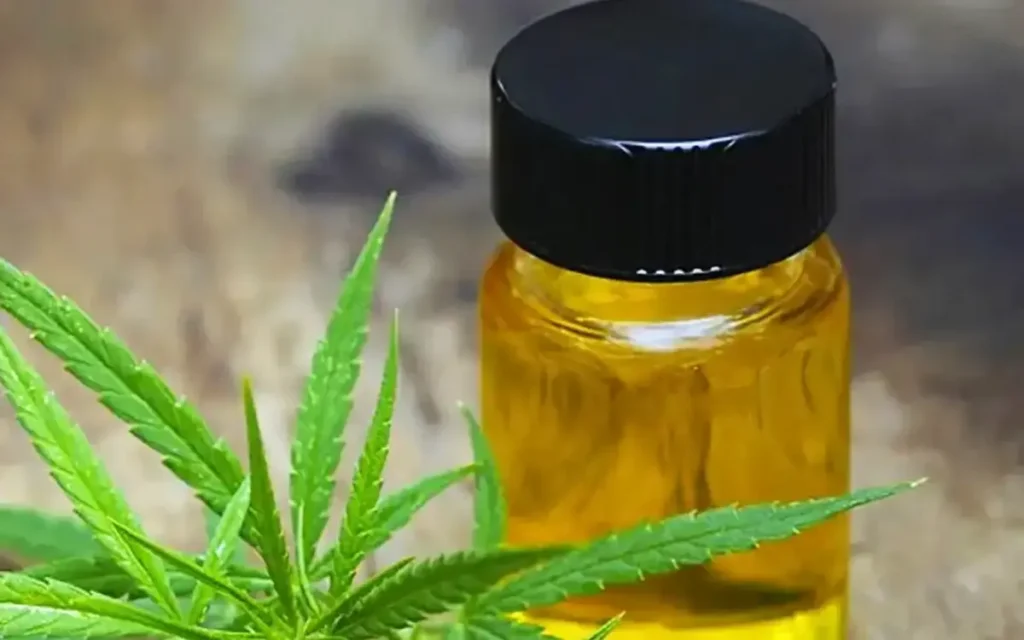
CBD, or cannabidiol, is a non-intoxicating compound derived from the hemp plant. Unlike THC, it does not produce a “high.” Instead, CBD interacts with the endocannabinoid system (ECS), a regulatory network involved in maintaining balance across key bodily functions, including inflammation response, pain perception, sleep, mood, and immune activity.
For athletes, this system plays a critical role in how the body responds to physical stress. Intense training creates microtears in muscle fibers, increases inflammation, and places stress on joints and connective tissue. Recovery depends on how efficiently the body manages and adapts to these challenges.
CBD’s growing popularity among athletes is closely tied to its potential to support these recovery processes naturally.
CBD and Muscle Recovery After Exercise
Post-workout muscle soreness is a normal part of training, especially after high-intensity or unfamiliar movements. This soreness, often referred to as delayed onset muscle soreness (DOMS), results from inflammation and microscopic muscle damage.
CBD is widely discussed for its interaction with pathways involved in inflammation regulation. Rather than shutting down inflammation entirely—which is not desirable for muscle growth—CBD may help the body maintain a more balanced inflammatory response. This can support a smoother recovery phase without interfering with the adaptation process that makes muscles stronger.
Many athletes incorporate CBD after workouts to help the body transition out of a stressed state and into recovery mode. While individual experiences vary, this approach aligns with the broader trend of prioritizing recovery as seriously as training itself.
Supporting Muscle and Joint Comfort
Repetitive motion, heavy loads, and long training sessions can take a toll on muscles and joints over time. For athletes in endurance sports, strength training, or high-impact activities, managing physical discomfort is essential for consistency and longevity.
CBD is often used as part of a muscle and joint wellness routine due to its interaction with pain perception pathways. By influencing how the nervous system processes discomfort signals, CBD may help athletes feel more at ease during recovery periods.
Topical CBD products, such as creams and balms, are also popular among athletes who want targeted support for specific muscle groups or joints. These are typically applied directly to sore areas as part of post-training care.
The Role of CBD in Sleep and Recovery Quality
Sleep is one of the most powerful recovery tools available to athletes, yet it’s often overlooked. During deep sleep, the body releases growth hormone, repairs muscle tissue, and restores energy reserves. Poor sleep can slow recovery, increase injury risk, and negatively affect performance.
CBD is commonly used by athletes who struggle with restlessness, difficulty winding down after evening training, or inconsistent sleep patterns. By promoting mental calm and physical relaxation, CBD may support more restful sleep, indirectly enhancing recovery and performance readiness.
Consistent, high-quality sleep doesn’t just improve how athletes feel—it directly impacts reaction time, coordination, endurance, and focus.
Managing Training-Related Stress
Athletic stress isn’t limited to muscles and joints. Mental pressure, competition anxiety, and overtraining can all affect performance. The nervous system plays a central role in how the body responds to both physical and psychological stressors.
CBD’s interaction with receptors involved in stress regulation has made it appealing to athletes seeking balance rather than stimulation. A calmer nervous system can support better focus, smoother movement patterns, and improved body awareness during training and competition.
This mental aspect is particularly important in sports that require precision, strategy, and sustained concentration.
CBD and Performance: Setting Realistic Expectations
It’s important to clarify that CBD is not a stimulant, nor does it directly increase strength, speed, or endurance. Its value lies in support, not enhancement. By helping the body recover more effectively, manage discomfort, and maintain balance, CBD may indirectly support consistent performance over time.
Athletes who recover well are more likely to train consistently, avoid burnout, and reduce injury risk. In this sense, CBD fits into a long-term performance strategy rather than offering short-term gains.
Forms of CBD Commonly Used by Athletes
Athletes use CBD in several forms, depending on their goals and preferences. CBD oil is popular for its fast absorption and flexible dosing, often taken post-workout or in the evening. Capsules provide consistent, long-lasting support and are easy to integrate into daily routines. Gummies appeal to those who prefer a simple, taste-friendly option.
Topicals are commonly used for localized muscle or joint support, especially after intense training sessions. Some athletes combine multiple forms to address different needs, such as using oil for overall recovery and topicals for targeted relief.
CBD, Drug Testing, and Athletic Compliance
For competitive athletes, drug testing is a valid concern. CBD itself is not prohibited by the World Anti-Doping Agency (WADA). However, trace amounts of THC in full-spectrum CBD products could potentially pose a risk.
Athletes subject to testing often choose CBD isolate or broad-spectrum products that are verified to be THC-free. Third-party lab testing is essential to ensure product purity and compliance.
Safety and Responsible Use
CBD is generally well-tolerated, but athletes should approach it thoughtfully. Starting with a low dose and gradually adjusting allows the body to respond naturally. Consistency is often more important than quantity.
CBD should not replace proper nutrition, hydration, mobility work, or medical care. Instead, it works best as part of a comprehensive recovery plan that includes rest, balanced training, and mindful self-care.
Athletes with existing medical conditions or those taking medications should consult a healthcare professional before adding CBD to their routine.
Integrating CBD Into a Balanced Athletic Lifestyle
The modern approach to athletic performance is shifting. It’s no longer just about pushing harder—it’s about training smarter. Recovery, mental health, and long-term sustainability are now central to athletic success.
CBD fits naturally into this philosophy. By supporting recovery processes, promoting relaxation, and helping manage physical and mental stress, it aligns with the needs of athletes who want to perform consistently without compromising their well-being.
Also Read: CBD Pets vs. Human CBD: What’s the Difference?
Final Thoughts
CBD is not a miracle solution, but it has earned its place in the conversation around athletic recovery and wellness. For athletes focused on muscle recovery, comfort, sleep quality, and stress management, CBD offers a natural option worth considering.
When used responsibly and paired with solid training principles, CBD can support the foundation that great performance is built on—recovery, balance, and resilience. As with any wellness tool, its true value lies in how thoughtfully it’s integrated into an athlete’s overall routine.