
Cannabis cultivation has become increasingly popular in Canada, with many enthusiasts exploring both indoor and outdoor growing methods. Choosing the right approach is essential for maximizing yield, quality, and efficiency. Both methods have unique advantages and challenges, and understanding these can help growers make informed decisions.
In this guide, we’ll compare indoor vs. outdoor cannabis growing, discuss the pros and cons of each method, and provide practical tips to ensure a successful harvest.
Understanding the Basics of Cannabis Growing
Before diving into growing methods, it’s important to understand the key factors that influence cannabis growth.
Essential Growth Factors
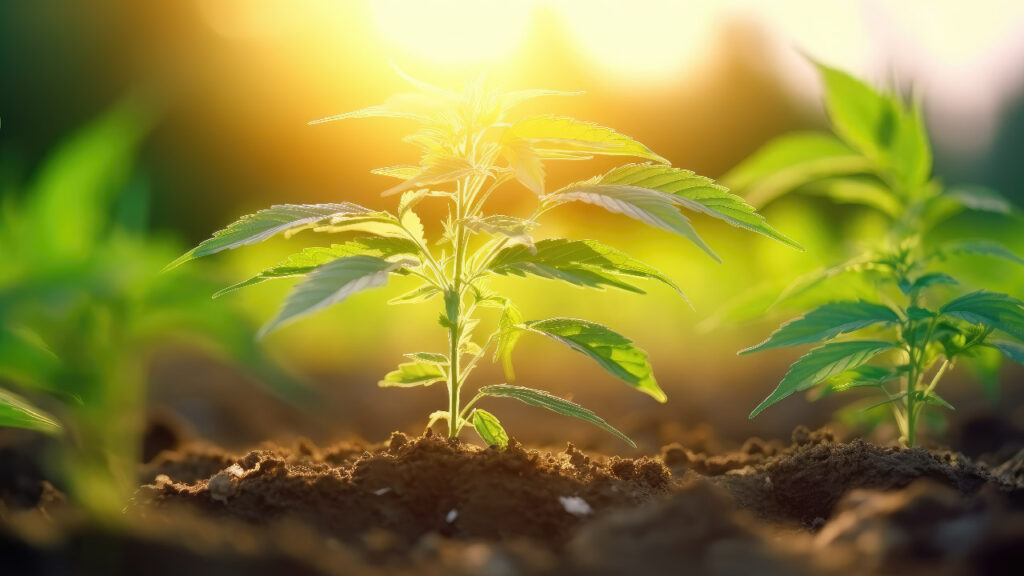
Cannabis plants require proper light, water, nutrients, and temperature to thrive. The growing environment directly affects plant health, potency, and yield. Indoor and outdoor setups provide different levels of control over these factors, which is why choosing the right method is critical.
Legal Considerations in Canada
Home cultivation is legal in Canada under certain conditions, including limits on the number of plants per household. Always ensure compliance with local regulations before starting your grow.
Pros and Cons of Indoor Cannabis Growing
Indoor growing involves cultivating cannabis plants in controlled environments such as grow tents, rooms, or greenhouses.
Advantages of Indoor Growing
- Year-Round Cultivation: Indoor setups allow you to grow cannabis regardless of seasonal changes, ensuring multiple harvests per year.
- Environmental Control: Temperature, humidity, light, and ventilation can be finely tuned for optimal plant growth.
- Pest and Disease Management: Indoor environments reduce the risk of pests, mold, and diseases that are common outdoors.
- Higher Quality and Potency: Controlled conditions often lead to more consistent, higher-quality buds with enhanced potency.
Challenges of Indoor Growing
- Higher Costs: Setting up grow lights, ventilation systems, and hydroponic setups can be expensive.
- Energy Consumption: Indoor cultivation requires electricity for lights and climate control, increasing energy bills.
- Limited Space: Indoor grows may restrict the number of plants you can cultivate.
Despite these challenges, indoor growing is preferred by many enthusiasts who prioritize quality, control, and consistency.
Pros and Cons of Outdoor Cannabis Growing
Outdoor growing involves cultivating cannabis in natural sunlight, usually in gardens, backyards, or greenhouses.
Advantages of Outdoor Growing
- Lower Costs: Sunlight is free, and natural rainfall reduces the need for complex irrigation systems.
- Larger Yields: Outdoor plants can grow larger due to space and natural conditions, producing higher yields per plant.
- Eco-Friendly: Outdoor cultivation reduces electricity consumption and environmental impact.
- Natural Terpenes and Flavors: Sunlight and fresh air can enhance the natural aroma and flavor profile of cannabis.
Challenges of Outdoor Growing
- Weather Dependence: Plants are exposed to unpredictable weather conditions, which can affect growth and potency.
- Pest and Disease Risk: Outdoor plants are more susceptible to insects, mold, and fungal infections.
- Seasonal Limitations: Outdoor cultivation is limited to specific growing seasons, usually spring through early fall.
- Security Concerns: Outdoor plants are visible and may attract unwanted attention or theft.
Outdoor growing is ideal for those seeking larger harvests at lower costs, provided they can manage environmental risks effectively.
Key Tips for Successful Indoor Cannabis Growing
Indoor growing requires careful planning and attention to detail. Here are some essential tips:
Optimize Lighting
- Use LED or HID grow lights for energy-efficient and effective lighting.
- Adjust light cycles according to growth stages (18 hours for vegetative, 12 hours for flowering).
Maintain Proper Temperature and Humidity
- Ideal temperature ranges: 20-28°C during the day, slightly cooler at night.
- Keep humidity around 40-60% to prevent mold while supporting growth.
Nutrients and Soil
- Use high-quality soil or hydroponic solutions with balanced nutrients.
- Monitor pH levels to ensure nutrient absorption.
Ventilation and Airflow
- Ensure proper airflow to prevent mold and strengthen plant stems.
- Use fans and exhaust systems for consistent air circulation.
Key Tips for Successful Outdoor Cannabis Growing
Outdoor growing relies on natural conditions, but careful management is still essential.
Choose the Right Location
- Select a spot with full sunlight (at least 6-8 hours per day).
- Ensure soil is well-draining and fertile.
Protect Against Pests and Weather
- Use organic pesticides or companion plants to deter insects.
- Consider protective netting or greenhouses to reduce exposure to harsh weather.
Watering and Fertilization
- Water deeply but avoid overwatering.
- Use compost or natural fertilizers to enrich soil nutrients.
Harvest Timing
- Monitor trichome color and bud density to determine the ideal harvest time.
- Harvest before the first frost for maximum potency.
Indoor vs. Outdoor: Which Method is Right for You?
Choosing between indoor and outdoor cannabis growing depends on several factors:
- Budget: Indoor requires higher initial investment, while outdoor is more cost-effective.
- Space: Limited indoor space may restrict plant numbers; outdoor offers more room.
- Control vs. Nature: Indoor provides maximum control; outdoor leverages natural growth conditions.
- Desired Yield and Quality: Indoor often produces smaller but higher-quality buds, while outdoor can yield more volume.
Many growers even opt for hybrid approaches, using greenhouses or partially controlled outdoor environments to combine the best of both methods.
Read Also : Cannabis and Creativity: Can It Really Boost Your Artistic Side?
Final Thoughts
Both indoor and outdoor cannabis growing have distinct advantages and challenges. Indoor growing offers control, consistency, and year-round cultivation, while outdoor growing provides lower costs, larger yields, and natural flavors.
By understanding the pros and cons of each method and following proper cultivation tips, Canadian growers can make informed decisions that suit their goals, space, and resources. Whether you choose indoor, outdoor, or a hybrid approach, careful planning and consistent care are key to a successful and rewarding cannabis harvest.