
Introduction
Chronic inflammation is at the heart of many serious health conditions, from arthritis and heart disease to autoimmune disorders and even depression. Unlike acute inflammation—which is the body’s natural, short-term response to injury or infection—chronic inflammation persists over time, often silently damaging tissues and disrupting normal biological functions.
As traditional treatments for inflammation often come with significant side effects, many people are turning to natural alternatives. Among them, CBD (cannabidiol) has emerged as a compelling candidate. With its growing popularity and promising research, the question arises: Can CBD help manage chronic inflammation effectively and safely?
This blog explores the science behind CBD’s anti-inflammatory potential, how it interacts with the body, and whether it may be a suitable option for those battling long-term inflammation.
What Is Chronic Inflammation?
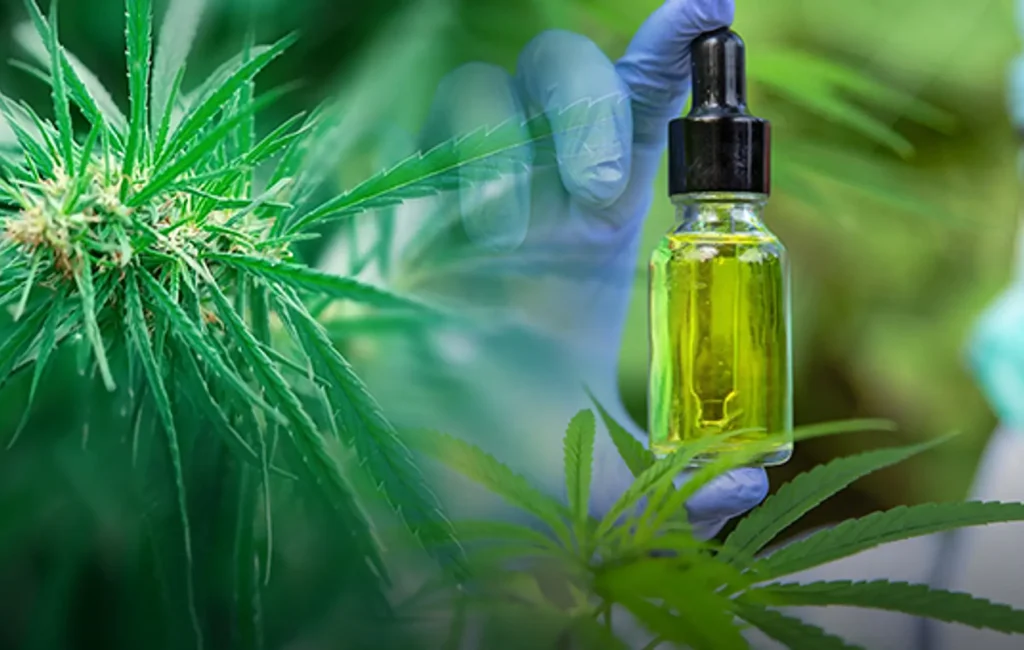
Inflammation is a necessary process. It’s how the immune system responds to harmful stimuli—whether that’s bacteria, viruses, injury, or irritants. In acute situations, inflammation helps heal wounds and fight infection. However, chronic inflammation occurs when the immune system doesn’t shut off properly, continuing to attack healthy tissues.
This ongoing inflammation has been linked to a host of serious conditions, including:
- Rheumatoid arthritis
- Inflammatory bowel disease (IBD)
- Type 2 diabetes
- Cardiovascular disease
- Asthma
- Neurodegenerative disorders like Alzheimer’s
Managing this type of inflammation typically involves lifestyle changes, anti-inflammatory medications, and, increasingly, natural remedies like CBD.
What Is CBD and How Does It Work?
CBD (cannabidiol) is a non-intoxicating compound derived from the cannabis plant. Unlike THC, it does not produce a “high” and is considered safe and well-tolerated by most users.
CBD works by interacting with the body’s endocannabinoid system (ECS)—a network of receptors (CB1 and CB2), enzymes, and cannabinoids that regulate various physiological processes, including immune function, pain sensation, mood, and inflammation.
One of the key ways CBD influences inflammation is through its action on CB2 receptors, which are predominantly found in immune cells. By modulating these receptors and affecting the release of cytokines (chemical messengers), CBD appears to help regulate immune responses and reduce inflammatory signaling.
The Science Behind CBD and Inflammation
Though research is still in its early stages, multiple studies support the anti-inflammatory potential of CBD:
1. Animal Studies
Preclinical studies in animal models have shown that CBD can reduce inflammation in conditions like arthritis and colitis. For instance, a 2017 study in Pain demonstrated that topical CBD application significantly reduced joint swelling and pain in rats with osteoarthritis, without causing side effects.
2. Human Studies
While human research is more limited, the results are encouraging. A 2020 review published in Frontiers in Pharmacology concluded that CBD has “significant potential” to reduce inflammation and improve immune system function in chronic conditions.
Another 2018 study found that CBD reduced markers of inflammation and improved mobility in patients with multiple sclerosis, supporting the idea that it may help modulate autoimmune responses.
3. Cellular Studies
In laboratory settings, CBD has been shown to suppress the production of pro-inflammatory cytokines such as TNF-α, IL-1β, and IL-6, which are involved in chronic inflammatory diseases. It also inhibits COX enzymes, similar to how NSAIDs work, but without the gastrointestinal side effects.
Conditions Where CBD May Help with Chronic Inflammation
While not a cure-all, CBD may be especially helpful in managing symptoms and improving quality of life for people with inflammation-related conditions. These include:
1. Rheumatoid Arthritis and Osteoarthritis
CBD may help reduce joint inflammation, stiffness, and pain. Many users report improved mobility and decreased reliance on NSAIDs after starting CBD.
2. Inflammatory Bowel Disease (IBD)
Conditions like Crohn’s disease and ulcerative colitis are characterized by severe gut inflammation. Early research suggests that CBD may reduce intestinal inflammation and improve symptoms like pain and bloating.
3. Neurological Inflammation
CBD has shown neuroprotective and anti-inflammatory effects in diseases like multiple sclerosis, Alzheimer’s, and Parkinson’s disease. It may help protect neurons from inflammatory damage.
4. Asthma and Respiratory Conditions
CBD’s bronchodilatory and anti-inflammatory properties could be beneficial in managing asthma by relaxing airway muscles and reducing inflammation.
Methods of Taking CBD for Inflammation
The delivery method can affect how well CBD works and how quickly it takes effect. Some of the most effective options for inflammation include:
1. CBD Oil (Sublingual Administration)
CBD oil is one of the most popular and versatile methods of consumption. When taken sublingually (under the tongue), the oil is absorbed directly into the bloodstream through the thin mucous membranes, bypassing the digestive system.
Benefits:
- Fast-acting: Effects are typically felt within 15–45 minutes.
- Efficient absorption: Direct entry to the bloodstream increases bioavailability.
- Precise dosing: Droppers allow you to adjust the dose drop by drop.
- Systemic effect: Ideal for widespread inflammation such as autoimmune disorders or internal inflammatory conditions.
Considerations:
- The taste of natural hemp extract can be strong or unpleasant for some.
- Requires consistent, accurate measurement for best results.
2. Topical Creams and Balms
Topical CBD products are applied directly to the skin over inflamed or painful areas. These products are formulated to penetrate the skin barrier and interact with cannabinoid receptors located in the surrounding tissues.
Benefits:
- Targeted relief: Excellent for localized inflammation (e.g., in joints, muscles, or skin conditions).
- Non-systemic: Minimal absorption into the bloodstream, reducing the risk of side effects.
- Additional ingredients: Often include soothing agents like menthol, arnica, or essential oils for added relief.
Considerations:
- Less effective for systemic conditions like autoimmune diseases.
- Effects may be milder and shorter-lived than oral or inhaled options.
- Requires reapplication depending on activity level and severity of symptoms.
3. CBD Capsules and Gummies
These ingestible forms of CBD are convenient, discreet, and pre-dosed, making them ideal for daily use. Gummies are especially popular for those who dislike the taste of tinctures.
Benefits:
- Consistent dosing: Each serving contains a specific amount of CBD.
- Ease of use: No measuring or preparation required.
- Long-lasting effects: Slower digestion means effects can last up to 6–8 hours.
Considerations:
- Slower onset: Effects typically take 30–90 minutes to appear, as the CBD must pass through the digestive tract.
- Lower bioavailability: The liver metabolizes much of the CBD before it reaches your bloodstream, reducing potency.
- May be less ideal for those needing fast-acting relief.
4. Vaping or Inhalation
Inhalation delivers CBD directly to the lungs, where it enters the bloodstream almost instantly. This method includes vaping CBD oil or using specially formulated CBD flower.
Benefits:
- Fastest onset: Relief can begin within minutes, making it ideal for acute flare-ups of pain or inflammation.
- High bioavailability: A larger portion of CBD reaches the bloodstream compared to oral ingestion.
- Systemic and rapid: Suitable for generalized inflammation or breakthrough symptoms.
Considerations:
- Not ideal for everyone: Inhalation may irritate the lungs or worsen respiratory conditions like asthma or COPD.
- Concerns about long-term safety: Though CBD itself is considered safe, vaping involves heating substances that may contain solvents or additives. Always choose high-quality, lab-tested products.
- Devices and cartridges can add complexity or cost to your routine.
How Much CBD Should You Take?
There’s no universal dosage, as the right amount varies based on factors like body weight, metabolism, and the severity of inflammation. A general approach is to start low and go slow, often beginning with 10–25 mg per day, and increasing gradually.
Consulting a healthcare provider—especially if you’re taking other medications—is essential to avoid interactions and ensure the best outcomes.
Are There Any Side Effects?
CBD is generally well-tolerated, but some people may experience mild side effects, including:
- Dry mouth
Also known as “cottonmouth,” this occurs when CBD interacts with cannabinoid receptors in the salivary glands, reducing saliva production. While not harmful, it can be uncomfortable. Staying well-hydrated and chewing sugar-free gum can help alleviate the sensation.
- Drowsiness or fatigue
CBD has calming effects on the nervous system, which is beneficial for anxiety and sleep issues. However, this can also lead to excessive drowsiness, especially when combined with other sedatives or if taken in higher doses. People new to CBD should avoid driving or operating heavy machinery until they understand how it affects them.
- Diarrhea
Some users, particularly those new to CBD or consuming it in oil or capsule form, may experience digestive discomfort or diarrhea. This is often linked to the carrier oils (like MCT oil) used in CBD products rather than the CBD itself. If this occurs, switching to a different formulation or lowering the dose may help.
- Changes in appetite or weight
CBD can influence metabolism and hunger signals in the body. While some users report an increase in appetite, others notice a decrease. These effects tend to be subtle and may vary depending on the individual and dosage.
Importantly, CBD can interact with certain medications, particularly blood thinners or drugs metabolized by the liver. Always speak with a doctor before starting a new supplement regimen.
Also Read: Can CBD Oil Help You Sleep Better?
What to Look for in a High-Quality CBD Product
Not all CBD products are created equal. To ensure safety and effectiveness, choose products that:
- Are third-party lab tested
- Contain full-spectrum or broad-spectrum CBD
- Use organic, non-GMO hemp
- Clearly state the CBD concentration
- Are free from harmful additives or contaminants
Reading the Certificate of Analysis (COA) can help confirm the product’s purity and potency.
Conclusion
CBD shows significant promise as a natural anti-inflammatory agent, with research pointing to its potential in reducing chronic inflammation and improving symptoms in a variety of conditions. While more large-scale human studies are needed, early results—and the anecdotal experiences of thousands—suggest that CBD may become a valuable addition to the modern toolkit for managing chronic inflammatory diseases.
It’s not a miracle cure, but it could be a gentle, plant-based ally in your fight against chronic inflammation—offering relief, improved function, and a better quality of life.