
Introduction
In the hustle and bustle of daily life, maintaining emotional well-being is paramount. Amidst stressors and challenges, finding ways to nurture your mental health becomes essential. One avenue gaining increasing attention is the use of CBD, a natural compound derived from the cannabis plant, renowned for its potential therapeutic properties.
1. Understanding CBD and Emotional Health
CBD’s interaction with the ECS is complex and multifaceted. The ECS consists of cannabinoid receptors (CB1 and CB2) distributed throughout the body, including the brain, nervous system, and immune system. These receptors play a crucial role in regulating neurotransmitter release, inflammatory response, and cellular signaling pathways associated with mood and stress.
CBD’s mechanism of action involves modulating these receptors, either directly or indirectly, to promote homeostasis, or balance, within the body. For example, CBD may inhibit the reuptake of neurotransmitters such as serotonin, enhancing their availability in the brain and promoting feelings of well-being and relaxation. Additionally, CBD has been shown to regulate the release of cortisol, the body’s primary stress hormone, helping to dampen the stress response and reduce anxiety levels.
Furthermore, CBD’s anti-inflammatory and neuroprotective properties may also contribute to its beneficial effects on emotional health. By reducing inflammation and protecting neurons from damage, CBD may help support overall brain function and resilience, further promoting emotional well-being.
Overall, the interaction between CBD and the ECS offers a promising avenue for promoting emotional health and well-being naturally. As research in this area continues to evolve, CBD may emerge as a valuable tool for managing stress, anxiety, and other mood-related conditions, offering a holistic approach to emotional wellness.
2. Alleviating Stress and Anxiety
CBD’s potential to alleviate stress and anxiety stems from its interaction with the ECS and its influence on neurotransmitter systems involved in the stress response. Studies have shown that CBD may modulate the activity of serotonin receptors in the brain, which play a key role in regulating mood and anxiety levels. By enhancing serotonin signaling, CBD may help reduce feelings of anxiety and promote a more balanced emotional state.
Furthermore, CBD has been found to modulate the activity of the hypothalamic-pituitary-adrenal (HPA) axis, a key neuroendocrine system involved in the stress response. Dysregulation of the HPA axis can lead to chronic stress and anxiety disorders. CBD’s ability to dampen the HPA axis response to stress may help mitigate the negative effects of chronic stress on emotional well-being.
In addition to its direct effects on stress and anxiety, CBD may also indirectly support emotional well-being by promoting better sleep quality. Poor sleep is closely linked to mood disturbances and can exacerbate symptoms of stress and anxiety. CBD has been shown to improve sleep duration and quality in individuals with insomnia, potentially leading to a more stable mood and greater emotional resilience.
3. Promoting Restful Sleep
CBD’s potential to promote restful sleep lies in its ability to modulate various biological pathways involved in the sleep-wake cycle. Research suggests that CBD may interact with serotonin receptors in the brain, which play a key role in regulating sleep patterns. By enhancing serotonin signaling, CBD may help regulate sleep-wake cycles and promote a more consistent sleep schedule.
Furthermore, CBD’s anti-anxiety and analgesic properties may indirectly support better sleep quality. Anxiety and pain are common contributors to sleep disturbances, often leading to difficulty falling asleep or staying asleep throughout the night. CBD’s anxiolytic effects can help calm the mind and reduce racing thoughts, making it easier to unwind and drift off to sleep. Additionally, CBD’s ability to alleviate pain and discomfort may prevent interruptions in sleep and promote more uninterrupted rest.
Overall, by addressing both the physical and psychological factors that can disrupt sleep, CBD offers a holistic approach to improving sleep quality and promoting overall emotional well-being. However, it’s important to note that individual responses to CBD may vary, and it’s advisable to consult with a healthcare professional before incorporating CBD into your sleep routine, especially if you have any underlying health conditions or are taking medications.
4. Enhancing Mood Regulation
CBD’s potential to support emotional well-being extends to its ability to help maintain stable mood levels. Research suggests that CBD may interact with neurotransmitter systems involved in mood regulation, such as serotonin and dopamine pathways. By modulating the activity of these neurotransmitters, CBD may help promote a more balanced mood and alleviate symptoms of mood disorders like depression and anxiety.
Furthermore, CBD’s interaction with the endocannabinoid system (ECS) plays a crucial role in regulating stress response and emotional stability. The ECS is involved in modulating various physiological processes, including mood, memory, and stress response. CBD’s ability to influence ECS receptors may help restore balance in the body’s stress response system, reducing feelings of anxiety and promoting a greater sense of calm.
By addressing both the neurochemical and neurobiological aspects of mood regulation, CBD offers a multifaceted approach to supporting emotional well-being. Whether used as a standalone supplement or as part of a comprehensive wellness regimen, CBD has the potential to help individuals maintain stable mood levels and navigate life’s challenges with greater resilience and positivity. However, it’s essential to consult with a healthcare professional before using CBD for mood-related concerns, especially if you have a history of mental health conditions or are currently taking medication.
5. Incorporating CBD into Your Wellness Routine
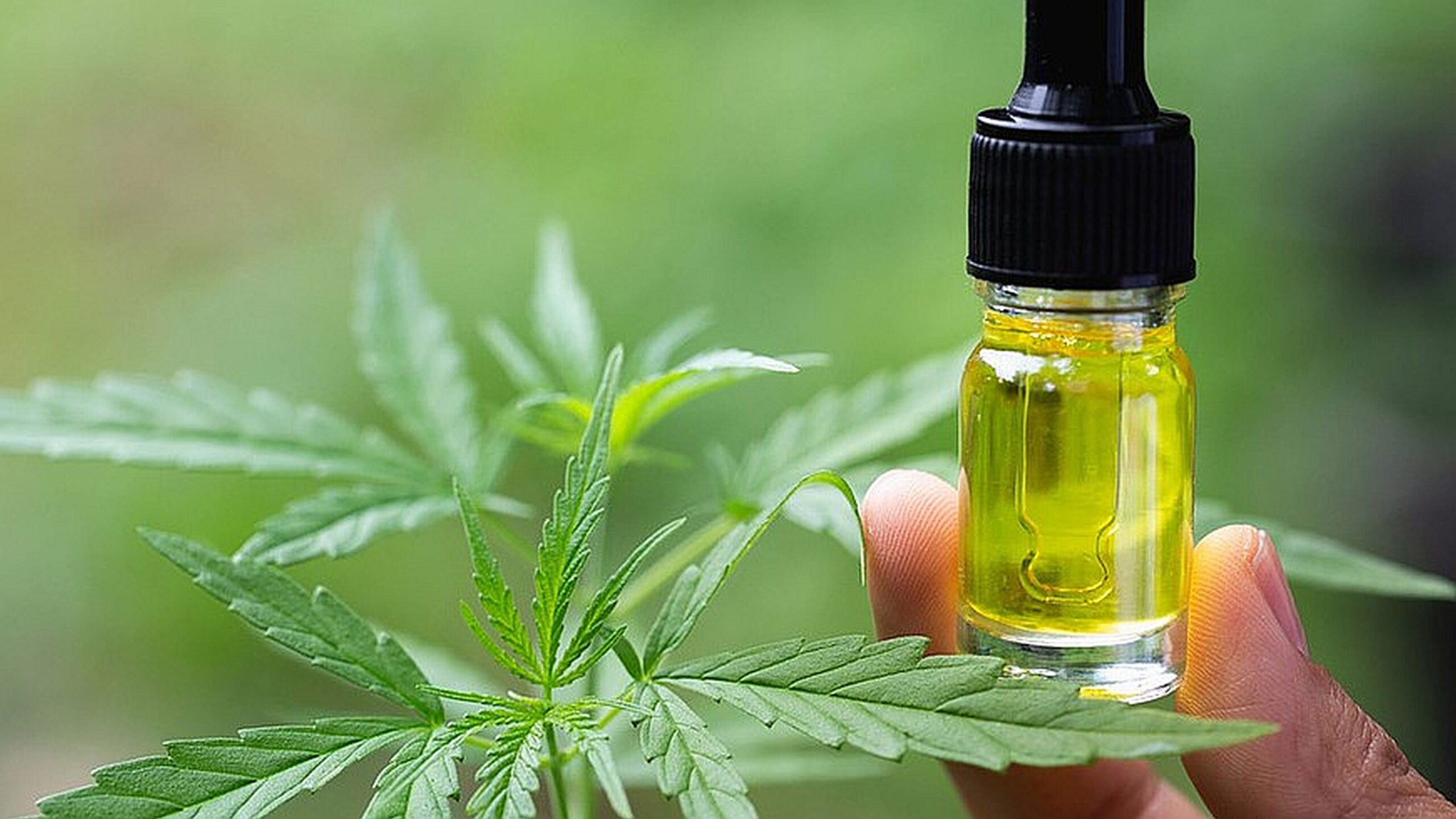
CBD (cannabidiol) has gained widespread popularity as a natural supplement that can potentially promote emotional well-being. CBD is derived from the cannabis plant but does not cause the psychoactive effects associated with THC. One of the primary ways to incorporate CBD into your wellness routine is through CBD oils. These oils are typically taken orally, either by placing a few drops under the tongue or adding them to food and beverages.
CBD capsules are another convenient option as they provide a pre-measured dose that can be easily consumed. CBD-infused edibles, such as gummies or chocolates, are a tasty and discreet way to enjoy the benefits of CBD. These snacks offer a convenient way to incorporate CBD into your daily routine, whether you’re at home or on the go. Another popular method of CBD application is through topical products.
CBD creams, lotions, balms, and salves can be applied directly to the skin, targeting specific areas of discomfort or tension. These topicals may provide localized relief and promote a sense of relaxation. When incorporating CBD into your wellness routine, it’s essential to start with a low dosage and gradually increase it as needed. It’s also advisable to consult with a healthcare professional, especially if you have any underlying medical conditions or are taking medications that may interact with CBD.
Also Read: The Role of CBD in Enhancing Sleep Quality and Emotional Health
Conclusion
Incorporating CBD into your daily regimen can be a holistic approach to nurturing emotional well-being. As with any supplement, it’s essential to consult with a healthcare professional to determine the appropriate dosage and ensure compatibility with existing treatments. With its potential to alleviate stress, promote relaxation, and support mood regulation, CBD offers a natural pathway to emotional wellness in today’s fast-paced world.